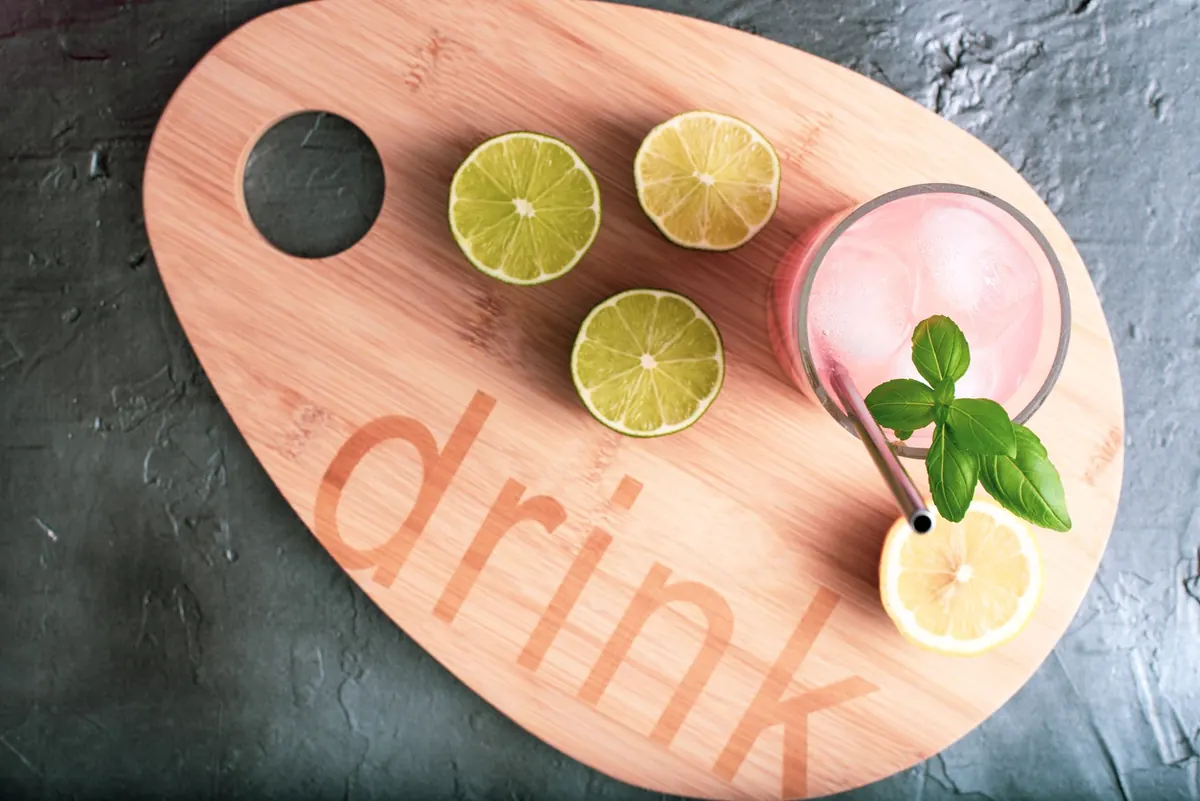
Basil-Infused Summer Drinks: Three UK Garden Recipes
Basil earns its place in the garden for tomatoes and pesto, but it is just as useful in a glass. A handful of leaves, a little sugar and something sharp — lemon, lime, or a plain pot of tea — is enough to make a drink that tastes like a warm afternoon. These three recipes are built for UK summers: quick to make, easy to scale for a crowd, and forgiving if the weather turns and you end up drinking them indoors. Pick the leaves shortly before you use them and the difference is obvious.
Pick the Right Basil, and Treat It Gently
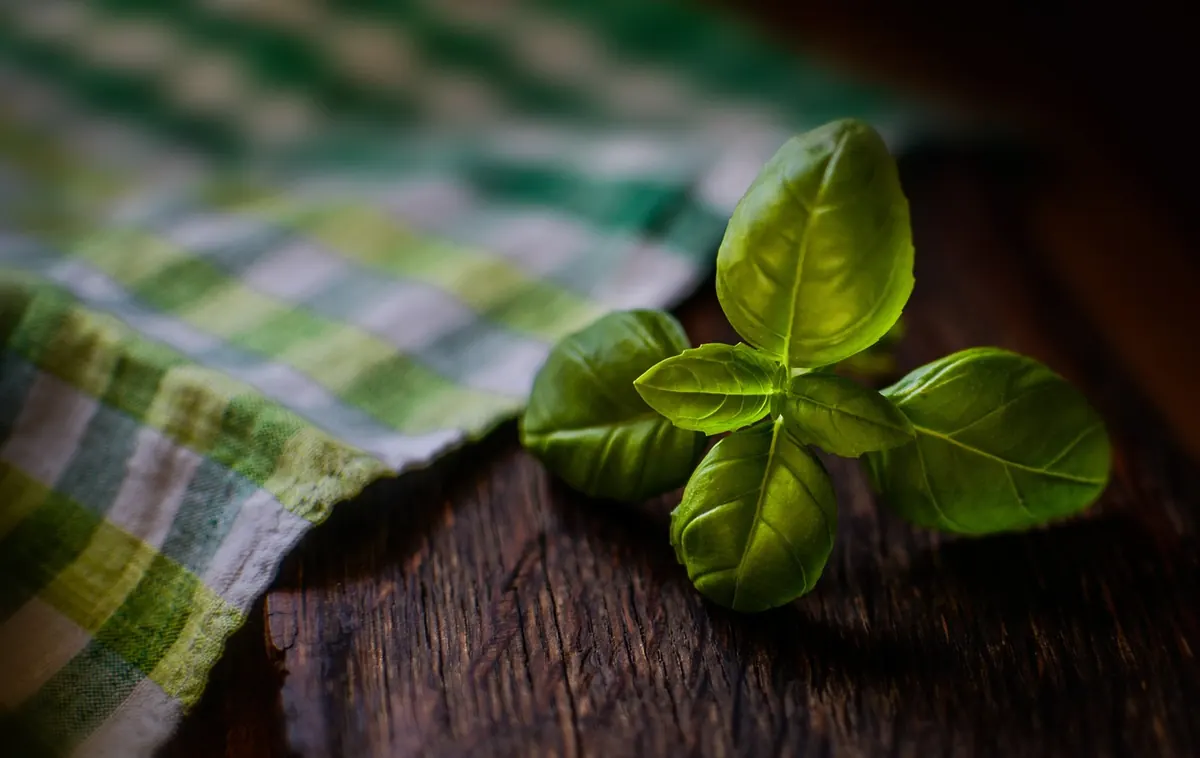
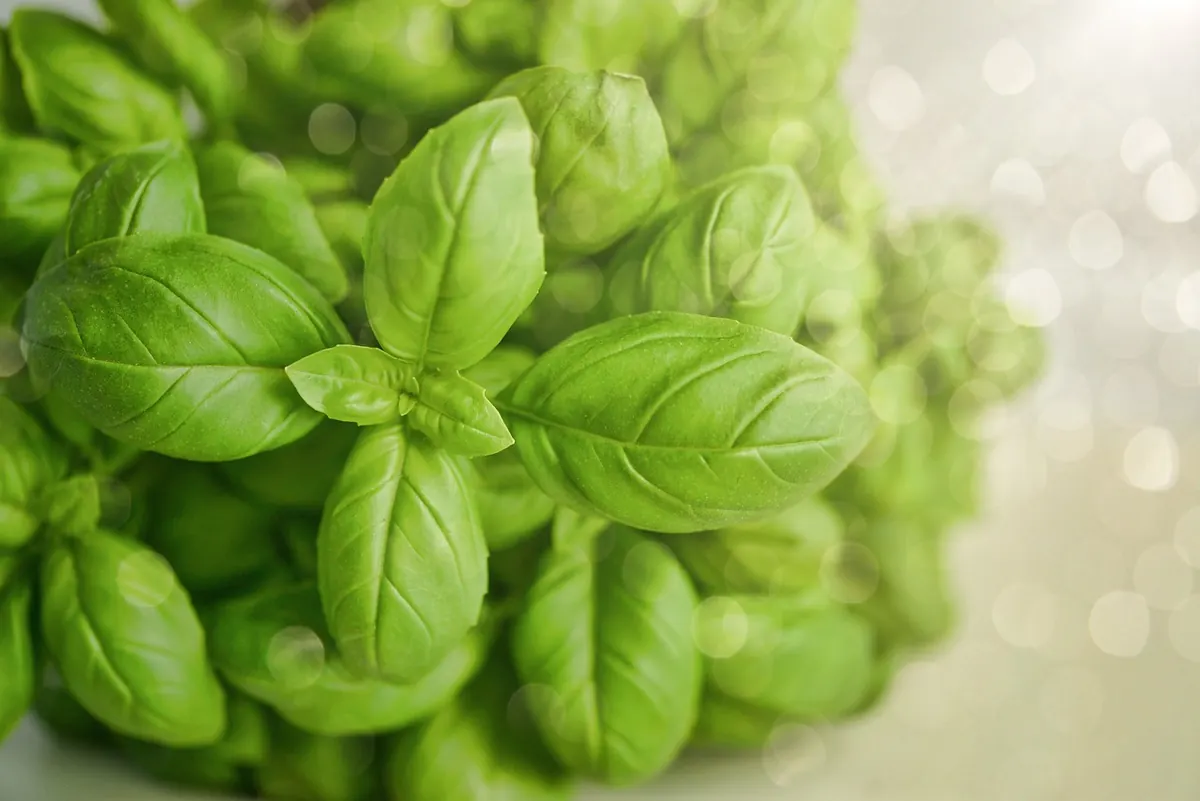
Sweet Genovese basil is the safe choice for drinks — clean, slightly peppery, and the flavour most people recognise. If you grow more than one variety, try the others. Thai basil brings an aniseed, clove-like note that suits lime beautifully. Lemon basil and lime basil are milder and lift a jug of iced tea without shouting. Purple basil gives a lovely pale pink tint to lemonade, though the flavour is a touch spicier.
Harvest in the morning, when the leaves are firm and the oils are at their best. Pinch whole stems rather than individual leaves, always from the top, just above a pair of leaves — this keeps the plant bushy and productive. Rinse and dry the leaves, then use them the same day if you can.
The one rule that matters across all three recipes: be gentle. Basil bruises easily, and a hard grind releases the chlorophyll that makes a drink taste grassy and bitter. Tear, press and steep. Never shred it in a blender.
Basil Lemonade
This is the recipe to make first. The basil goes into a warm syrup rather than hot water, which extracts the flavour without turning the leaves black. It makes about 1.2 litres and serves four to six.
Ingredients
- 100 g caster sugar
- 100 ml water, for the syrup
- 20 g fresh basil leaves (a generous handful), torn
- Finely pared zest of 1 lemon, in wide strips
- 150 ml freshly squeezed lemon juice, about 4 lemons
- 800 ml cold still water, or sparkling water for a fizzier version
- Ice, lemon slices and extra basil sprigs, to serve
Method
- Warm the sugar and 100 ml water in a small pan over a low heat, stirring until the sugar dissolves. Take it off the heat before it boils.
- Add the torn basil and the strips of lemon zest, cover with a lid and leave for 20 to 30 minutes. Taste after 20 minutes — longer steeping gives a stronger, more savoury edge.
- Strain through a fine sieve into a jug, pressing the leaves lightly with the back of a spoon. Discard the solids and let the syrup cool.
- Stir in the lemon juice, then top up with the cold water. Taste and adjust: more lemon if it feels flat, a little more syrup if it is too sharp.
- Chill for at least an hour. Serve over plenty of ice with a lemon slice and a basil sprig on top.
If you are using sparkling water, add it at the last moment so it keeps its bubbles.
Basil Mojito-Style Mocktail
Built glass by glass, this one takes two minutes and looks like a proper occasion. Per tall glass:
- 8 basil leaves
- 5 mint leaves, if you have them
- Half a lime, cut into wedges
- 2 teaspoons sugar syrup, or 1 teaspoon caster sugar
- Crushed ice
- About 100 ml soda water
Put the basil, mint, lime wedges and sugar syrup in the bottom of a sturdy glass. Press down with a muddler or the handle end of a wooden spoon — five or six gentle presses is plenty. You are releasing the oils, not mashing the leaves into a pulp. Add crushed ice to fill the glass, pour over the soda water and stir once with a long spoon. Finish with a lime wheel and a sprig of basil.
Limes vary enormously in sharpness, so taste before you serve and adjust with a little more syrup or a squeeze more lime. If you want something softer, a dash of elderflower cordial or cloudy apple juice works well in place of some of the soda. For anyone who wants the alcoholic version, stir a measure of white rum in at the end — but the mocktail stands perfectly well on its own.
Basil Iced Tea
Two ways to make this, and both are good. Cold brewing takes time but no attention, and gives the cleanest basil flavour. The hot method is faster and works when you have not planned ahead.
Cold-brewed (overnight)
Put 1 litre of cold water, 4 black tea bags and 15 to 20 g of basil leaves into a jug. Cover and refrigerate for six to eight hours, or overnight. Strain, sweeten with honey or sugar syrup while the tea is still cold, and add a few lemon slices. It keeps for two to three days in the fridge.
Hot-brewed (in half an hour)
Brew 4 tea bags in 500 ml of just-boiled water for three minutes, then lift the bags out — do not let black tea stew, or it turns harsh. Add the basil, cover and leave off the heat for five minutes. Strain, top up with 500 ml of cold water and chill. For green tea, use water at about 80°C and steep for two minutes only, as it becomes bitter quickly at higher temperatures.
Whichever route you take, add the basil after the tea has stopped boiling. Boiling water turns the leaves dark and dulls the aroma.
Make It Ahead, and Keep It Cold
- Basil syrup keeps in a sealed jar in the fridge for up to a week, so you can mix lemonade on demand.
- Do not leave basil sitting in a finished drink for more than a few hours; the flavour turns stale and the leaves go black.
- Freeze leftover lemonade or iced tea in ice cube trays, and drop whole basil leaves into a few of the cubes.
- Chill glasses in the freezer for ten minutes before serving. It makes a bigger difference than extra ice.
- Scale the lemonade and iced tea for a crowd, but make mojitos one at a time — muddling by the jug never works as well.
Keep the Supply Coming
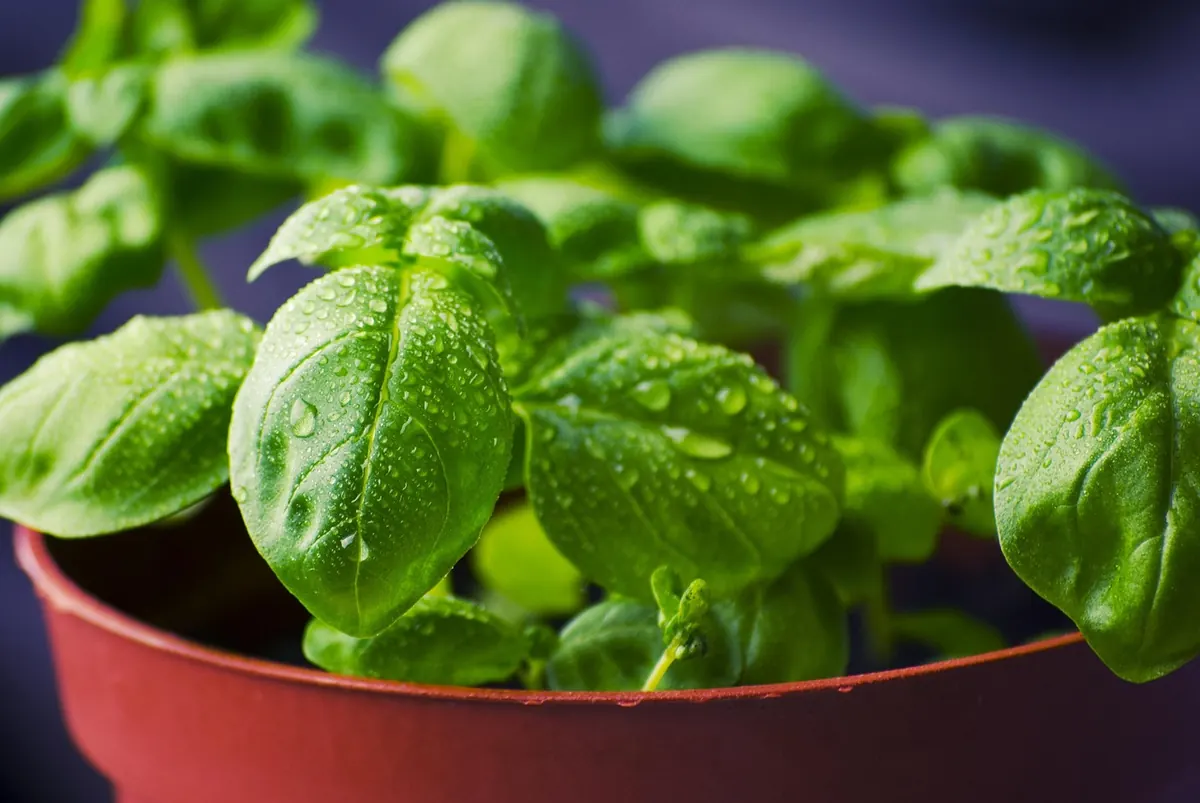
Three plants will cover most households through the summer, but only if you keep harvesting. Sow a small pinch of seed every three to four weeks from late spring, or buy a fresh supermarket pot and split it into three or four clumps rather than leaving it crowded. Water in the morning at the base, not over the leaves, and pinch out any flower buds as soon as they appear — once basil flowers, the leaves turn tougher and the flavour fades.
Keep a pot within reach of the kitchen door and you will pick more often than you think. Start with the lemonade, then work through the other two as the plants fill out. Any leaves left at the end of the season can go into a batch of pesto or a tray of ice cubes, which is a far better end than the compost heap.
Photo: Jason Deines / Pexels