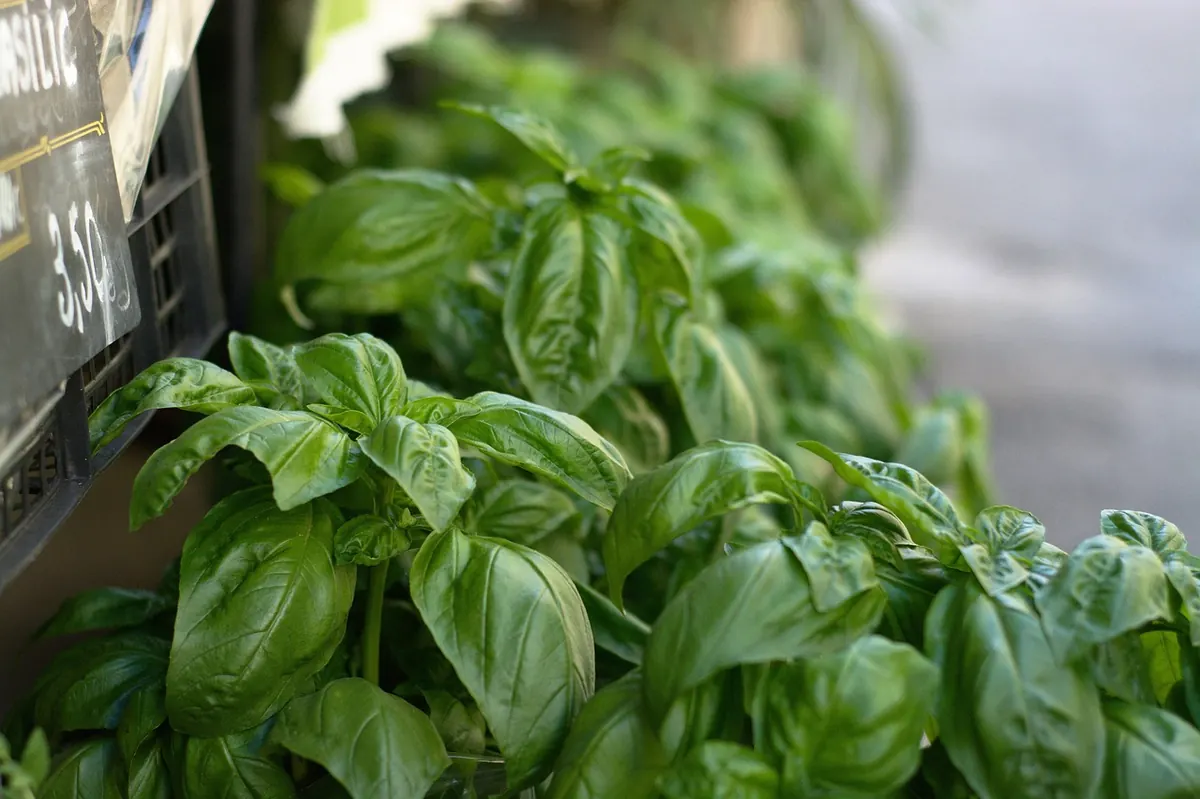
Classic British Basil Pesto Recipe Without Pine Nuts
Pesto is one of the few sauces that genuinely improves when you make it yourself, and it takes about ten minutes. The catch is the traditional shopping list. Pine nuts cost more per gram than most of us want to spend on a spoonful of sauce, and a proper block of Parmigiano Reggiano is a commitment. Neither is essential. With basil grown on a windowsill or in a UK garden, a bag of walnuts and a decent piece of mature cheddar, you get something fresh, sharp and unmistakably of basil.
Why walnuts and mature cheddar work
Walnuts are the obvious stand-in for pine nuts. They are softer and slightly more bitter, with a tannic edge that pine nuts lack, but they toast beautifully and give the sauce real body. The trick is to toast them first, three or four minutes in a dry pan, which drives off that raw, papery flavour and brings out something rounder underneath.
Cheddar is doing a different job. Traditional pesto uses two cheeses: Parmesan for depth, pecorino for salt and bite. A well-aged British cheddar covers both, though it is sharper and saltier than either. Buy the crumbliest, most mature cheddar you can find rather than a mild block; you want a cheese that makes your mouth water. It will not taste Italian. It will taste good.
What you need
This makes roughly a jam jar's worth, enough for four generous portions of pasta.
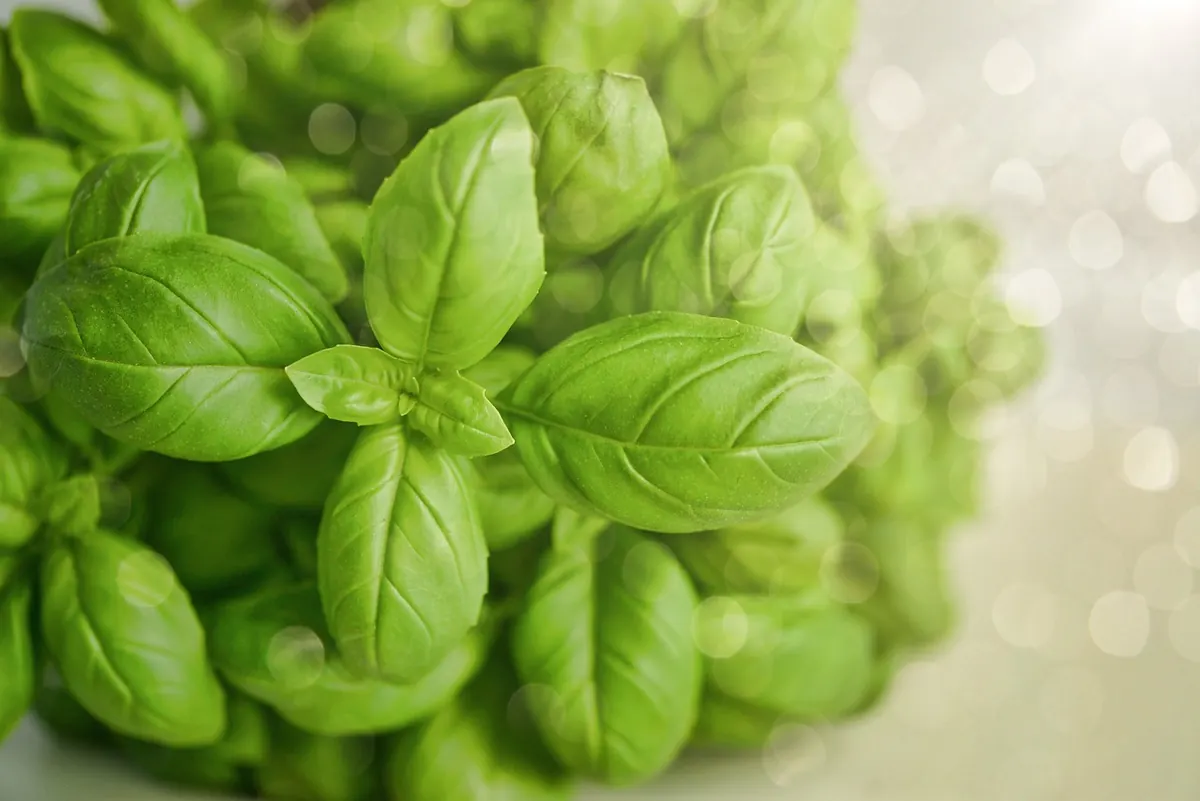
- 60g basil leaves, picked from the stems, about two large handfuls
- 50g walnuts
- 40g mature cheddar, finely grated
- 1 or 2 cloves of garlic, depending on how brave you feel
- 100–130ml olive oil, plus a little extra for covering
- A squeeze of lemon juice
- Salt and black pepper
Use ordinary olive oil rather than your best bottle. Blitzing dulls the delicate notes of expensive oil anyway, so keep the good stuff for drizzling at the table.
Method
- Toast the walnuts in a dry frying pan over a medium heat for three to four minutes, shaking the pan often. They are ready when they smell warm and nutty. Tip them onto a plate to cool, because they go from toasted to burnt quickly.
- Pick the basil leaves from their stems and discard anything bruised or blackened. Wash them, then dry them properly. Wet leaves give you a watery pesto that browns within a day, so a salad spinner or a clean tea towel is worth the effort.
- Put the cooled walnuts and the garlic into a food processor and pulse until they reach the texture of coarse breadcrumbs. The garlic needs to be broken down before the basil arrives.
- Add the basil and pulse in short bursts, scraping down the sides between goes. Stop as soon as the leaves are chopped. Running the machine continuously heats the basil and turns it dark and slightly bitter.
- With the motor running slowly, pour in the oil until the paste loosens and moves. You may not need all of it. Aim for a thick, spoonable sauce rather than a liquid.
- Scrape everything into a bowl and stir the grated cheddar in by hand. This is the important bit: the machine will make the cheese gluey, while a spoon keeps it in tiny flecks that melt when they hit hot pasta.
- Season with lemon juice, salt and plenty of black pepper, then taste. If it is flat, it usually needs acid rather than more salt. If it is harsh, another spoonful of cheese will round it off.
If you are short of basil
A handful of flat-leaf parsley stirred in with the basil stretches the sauce without changing its character much. Avoid dried basil entirely, as it tastes of hay. If your plants have bolted and the leaves are small and tough, use them anyway; the food processor does not care, and the flavour is often stronger.
Getting the balance right
Salt
Mature cheddar is salty, so season at the end, after the cheese has gone in. Adding salt early is the most common way to ruin a batch.
Garlic
Raw garlic sharpens over a day or two in the fridge. If you plan to keep the pesto through the week, use one clove rather than two.
Texture
This pesto is looser than a jarred one because it has no dried cheese to thicken it. Loosen it further with a spoonful of the water your pasta cooked in, which helps it cling to the strands instead of pooling at the bottom of the bowl.
Ways to use it
- Stirred through hot new potatoes with a squeeze of lemon
- Spooned over roasted tomatoes on toast
- Thinned with a little more oil as a dressing for cold chicken or a tomato salad
- Swirled into a bowl of minestrone or a plain summer soup
- Spread under the skin of a chicken breast before roasting, or over a fillet of white fish
Keeping it, and growing more basil
Store the pesto in a clean jar in the fridge with a thin layer of olive oil poured over the surface to keep the air out, and use it within about a week. If you want it to last longer, freeze it in an ice-cube tray instead. Turn the cubes out into a bag once they are solid, then drop one or two straight into a hot pan whenever you need them.
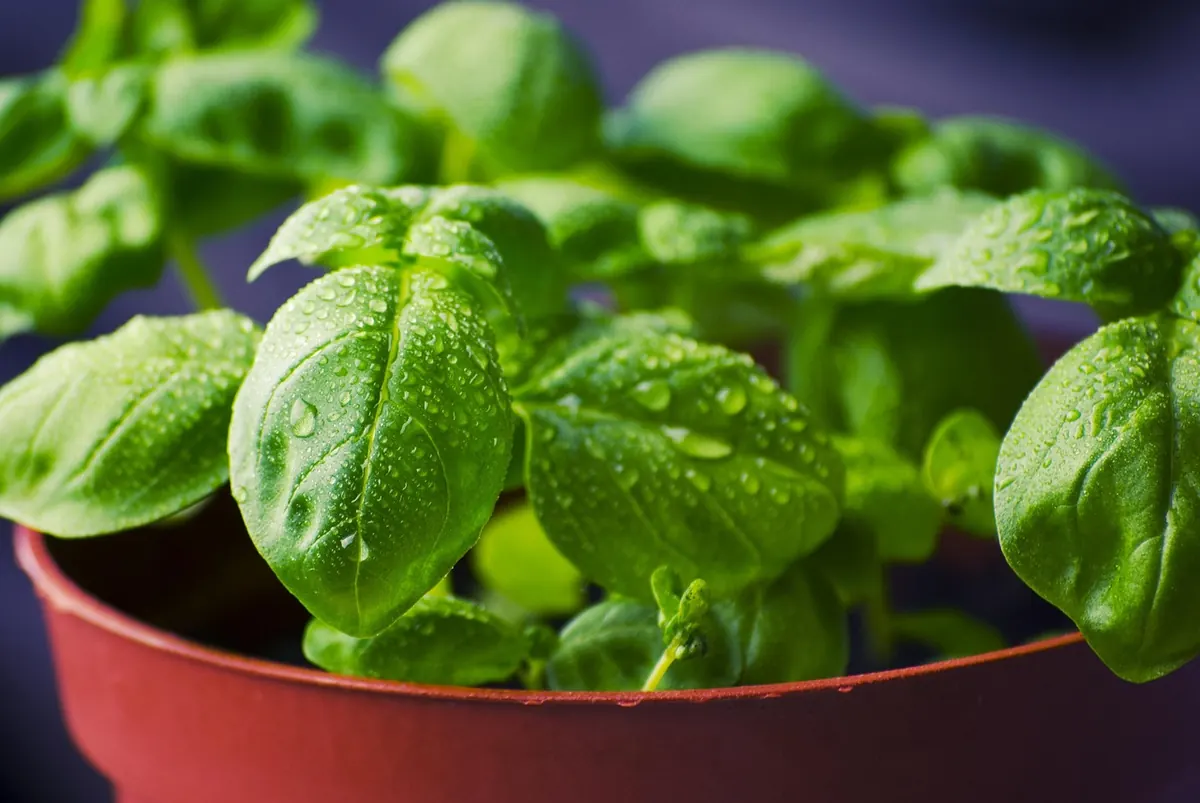
If you have caught the bug, basil is easy from seed in a warm kitchen from April onwards, and a pot on a sunny windowsill will keep you in leaves all summer. Pinch out the tips regularly to stop it flowering, and pick from the top down so the plant bushes out rather than shooting up. The next batch of pesto will taste better when the leaves are cut minutes before they go into the processor. That, rather than any secret ingredient, is the real difference between homemade and shop-bought.
Photo: briceisme / Pixabay